
Post Surgery Recovery at Home: What Families Should Know
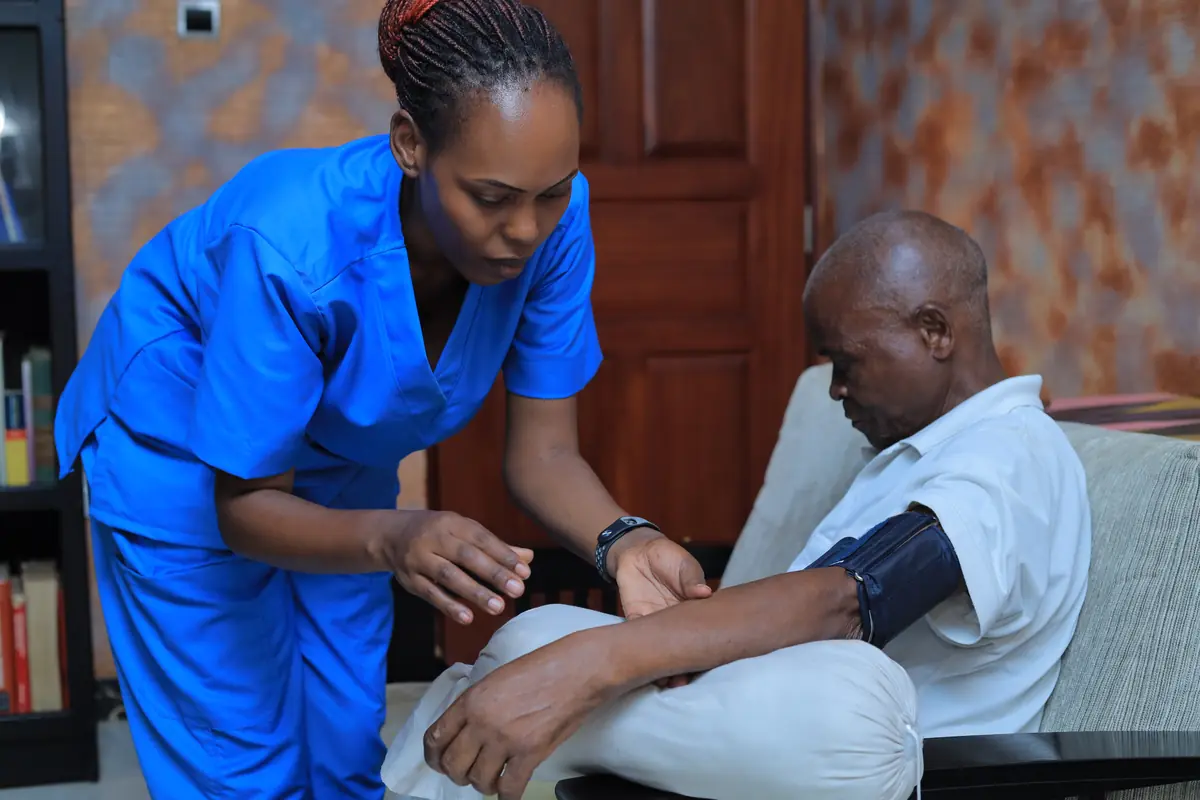
Discharge from hospital doesn't mean recovery is over — the days and weeks that follow a major operation are often when complications are most likely, and when close monitoring matters most. Post surgery care at home bridges that gap safely.
Our doctors and nurses closely monitor vital signs such as blood pressure, breathing and pain levels, manage wound dressing changes, watch for signs of infection, and coordinate medication schedules, all while keeping the patient's surgeon informed of progress.
Recovering at home, in familiar surroundings and with attentive one-on-one care, has been shown to reduce stress and speed up healing compared to an extended hospital stay — while giving families peace of mind.
A checklist before leaving hospital
- Written instructions for wound care and when stitches or drains come out
- A list of medicines, doses and times
- Your surgeon's contact details and follow-up date
- Which activities to avoid and for how long
- Warning signs that need urgent attention
Signs of a wound infection
- Increasing redness, swelling or warmth
- Pus or a bad smell
- Fever or chills
- Pain that gets worse instead of better
Key points
- Vital sign monitoring (BP, breathing, pain)
- Wound dressing changes and infection watch
- Medication scheduling and administration
- Mobility support during early recovery
- Direct communication with your surgeon
This article is general information and does not replace advice from a doctor or nurse who knows the patient.